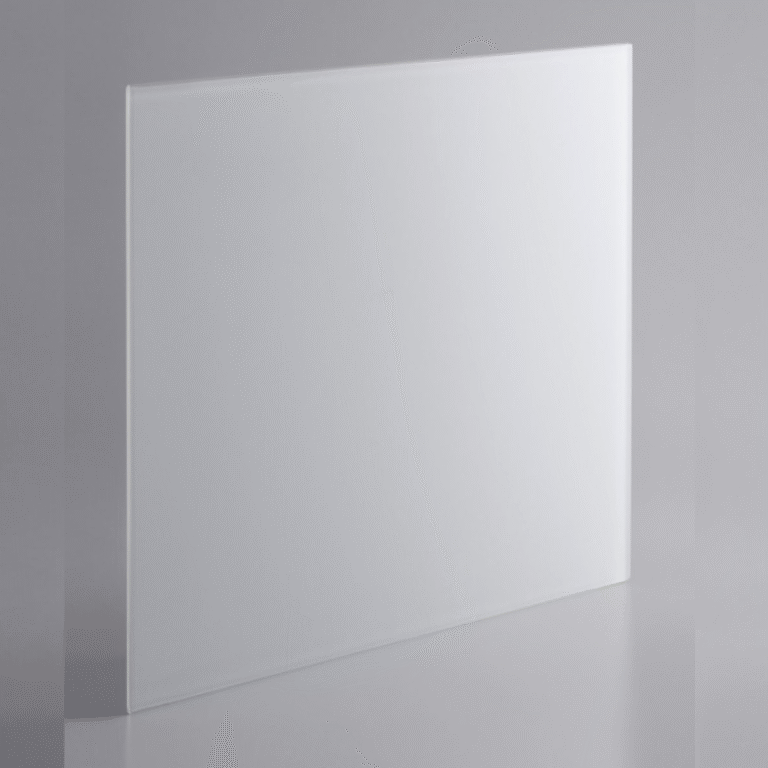
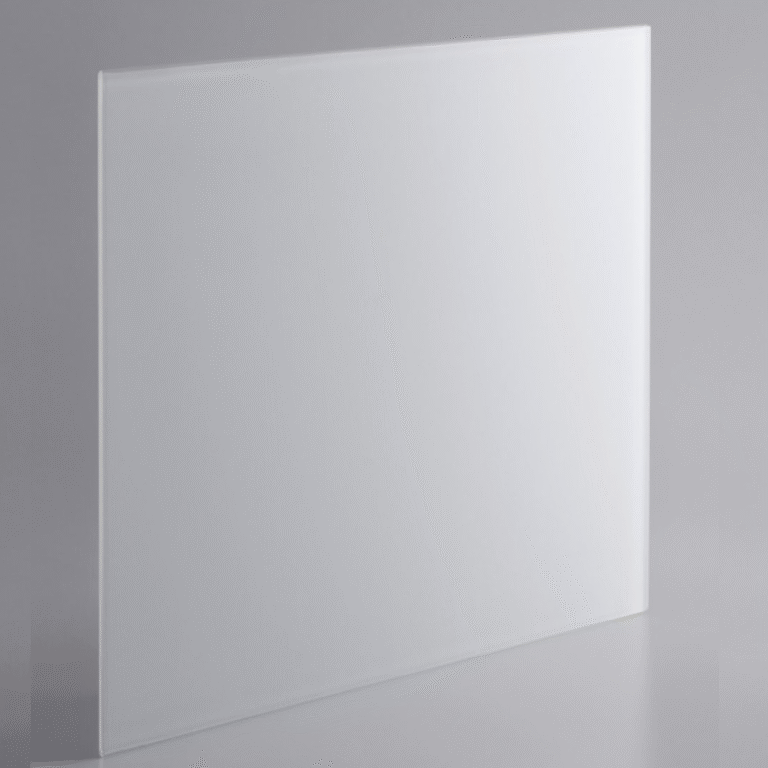
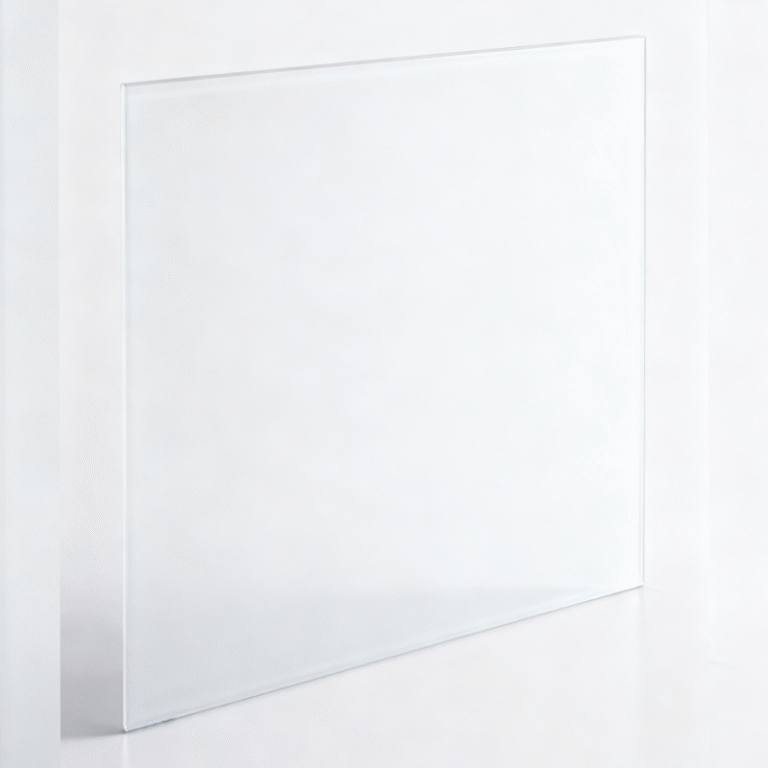
ACID ETCHED FROSTED GLASS

Acid etched glass is treated with an acid wash that micro-etches the surface, producing a uniform satin finish that obscures vision while still transmitting light. It is the higher-quality alternative to sandblasted frosting: the finish is smoother, more consistent across the sheet, and far less prone to holding fingerprints and grease marks.

We stock 4mm, 6mm, 10mm and 12mm. Use 4mm and 6mm for window glazing, cabinet doors and internal panels. 10mm and 12mm are the weights used for frameless shower screens, door panels and partitions, where the panel carries its own load and must be toughened.

The etch is applied to one face only. In a shower, fit the etched face outward so the smooth side takes the water. It is easier to squeegee and less likely to show mineral deposits.

Toughening is available across the range and must be specified when you order, because toughened glass cannot be cut or drilled afterwards. All panels are cut to your exact measurements.

What acid etched glass costs

Pick a thickness above and type your size — the price appears as you type.

  • 4mm — $200 per m²
  • 6mm — $222 per m²
  • 10mm — $319 per m²
  • 12mm — $331 per m²
  • Toughening from $21 per m², polished edges from $10 per linear metre
  • Minimum $99 per piece. Free delivery across Melbourne metro and Geelong.

Acid etched, sandblasted or patterned — which do you want?

Acid etched is chemically etched to a smooth, even satin across the whole sheet. It is the finish people usually picture when they say “frosted”: flat, contemporary, consistent.

Sandblasted frosting is mechanically abraded. It is rougher, holds fingerprints and grease, and the finish varies across the sheet. We do not stock it.

Rolled patterns like Satinlite have a texture pressed in during manufacture. Cheaper than acid etched and just as permanent, but the surface is textured rather than flat. Our guide on frosted or patterned glass for privacy compares them side by side.

Common questions

Can the etching wear off?

No. The acid removes surface material — it is not a film or coating. It will outlast the installation.

Does it mark?

Far less than sandblasted, but the satin surface will show oils from fingers more than clear glass does. Warm water and a microfibre cloth is all it needs; see how to clean and care for glass and mirrors.

Which side faces out?

The etch is on one face only. In a shower, fit the etched face outward so the smooth side takes the water and squeegees clean. On a window, etched face inward. More in which side of frosted glass faces out.

Which thickness for a shower screen?

10mm or 12mm, toughened, for frameless panels that carry their own load. 4mm and 6mm are for window glazing, cabinet doors and internal panels. See what thickness glass for a shower screen.

Does it have to be toughened?

In a shower, a door, beside a door, or with glass below 500mm from floor level — yes, under AS 1288. See when Australian Standards require safety glass.

We do not provide structural or engineering advice — confirm thickness and glass type with your installer or a qualified professional before ordering.

Showing all 5 resultsSorted by average rating